
Steam is one of the game distributing platforms for consumers to purchase games for their personal computers in today’s market. It was created in 2003 by Valve, a game developer. Since that time, the software has grown to be the most common way for companies and individuals to distribute their games to computer users; it reportedly controls 50-70% of all digital sales for computer games.
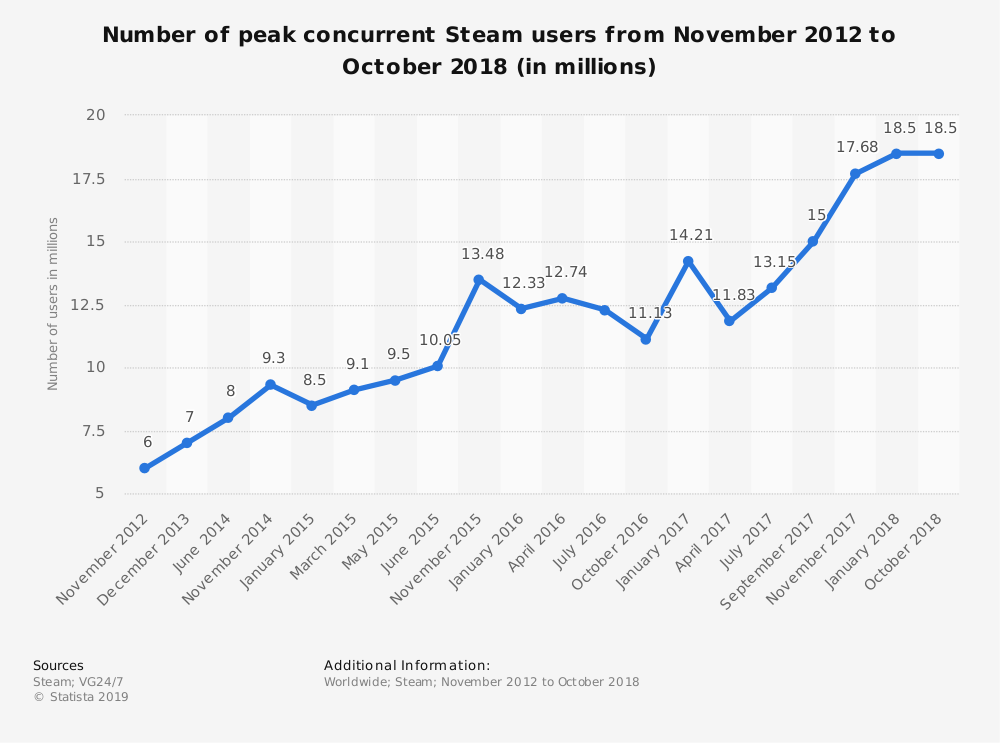
I believe Steam constitutes the definition of empire because it has a strong hold in the digital market, and it uses its earnings to spread their influence to fields other than games distribution.
Steam’s influence and success can partially be attributed to the time of its creation. Steam was initially created as a way for Valve to update its own games in 2003 and has since grown to include many other services; which includes the distribution of games not created by Valve. In the early 2000s many people were not playing games on their personal computers because it was not economically plausible for many to do so. It also generally required people to buy copies of games from stores and download data from the disks to their computers at home. Valve was one of the first companies to eliminate the need for physical copies of games by allowing people to digitally download them instead.

Empires have a tendency to take the money they generate and distribute it among many fields. For example, the Roman empire used the money it generated from taxes to pay senator’s salaries, go towards the wealth of the emperor, pay for government projects, and pay for any social programs (like providing free bread for plebeians in times of famine).
In a similar sense, Valve has used the profits from Steam to enhance the quality and extent that consumers could experience while playing computer games. Valve has begun to offer support for Mac and Linux operating systems, offers ways to distribute free community mods, has created their own controller to make playing easier, and has licensed their own “steam machines,” computers meant to optimize gaming performance while also being relatively affordable.
However, similarly to traditional empires, Valve’s success has not gone without being contested by other companies. Developers like Microsoft, Electronic Arts, and Ubisoft are just a few examples of video game companies who have created their own distribution programs for computer users. Their intent was to make more money by not having to pay a royalty to valve for distribution (roughly 30% of the transaction) and to make more money by distributing the games published by other developers. However, all of these respective programs have not achieved nearly the same status as Steam.

More recently, Epic Games has begun a campaign to compete with Valve with their Epic Games Store. Epic Games previously used the platform to allow players to download their game, Fortnite, before beginning to persuade game developers to exclusively release their games on the platform. This sparked controversy with the announcement that the game Metro: Exodus would be sold exclusively post-release through Epic Games while being able to be pre-purchased through Steam. Many consumers were upset over the decision because the Epic Games Store is not nearly as consumer-friendly as Steam.
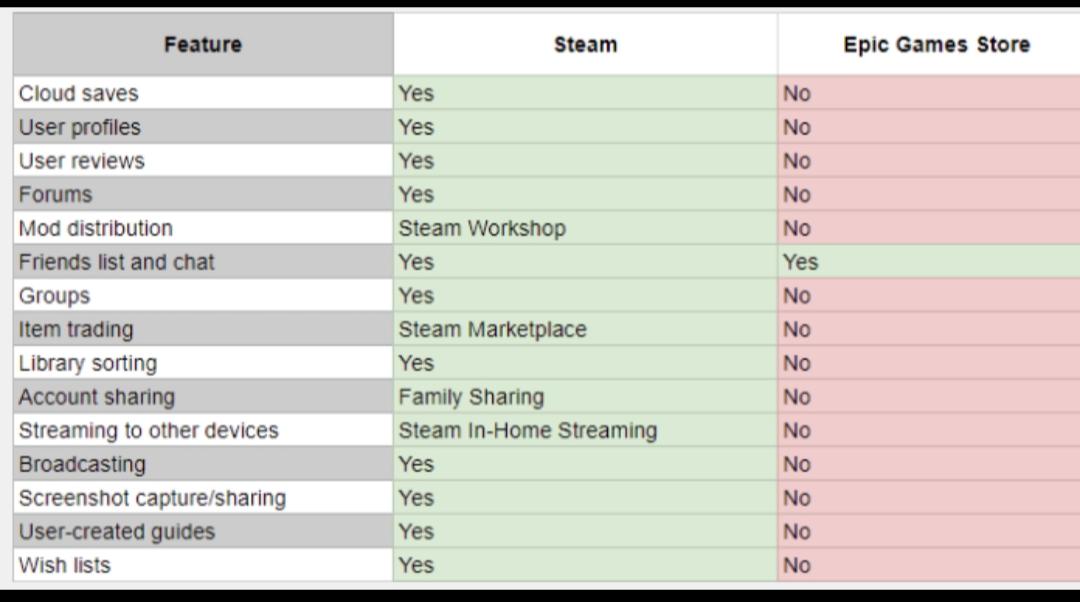
The status of Steam in the digital marketplace and Epic Game’s attempts at usurping that status illustrates a larger trend among empires. Empires survive because of the money that they generate through taxes and conquest. Epic Game’s is one example of an alternative source of economic power in the digital marketplace challenging the established order for digital consumers. Epic Game’s monetary appeal to developers is their way of competing with Steam’s fame and user friendliness. The two company’s economic clash is just a modern day take on economic empires fighting for control of a limited pool of resources.
Works Cited
Chiang, Oliver. Forbes . 9 February 2011. 5 April 2019.
Graft, Kris. Stardock Reveals Impulse, Steam Market Share Estimates. 19 November 2009. 5 April 2019.
Statista. “Number of Steam users 2012-2018.” n.d. Statista. 5 April 2019.

 Andrew's Discussion of Various Empires