
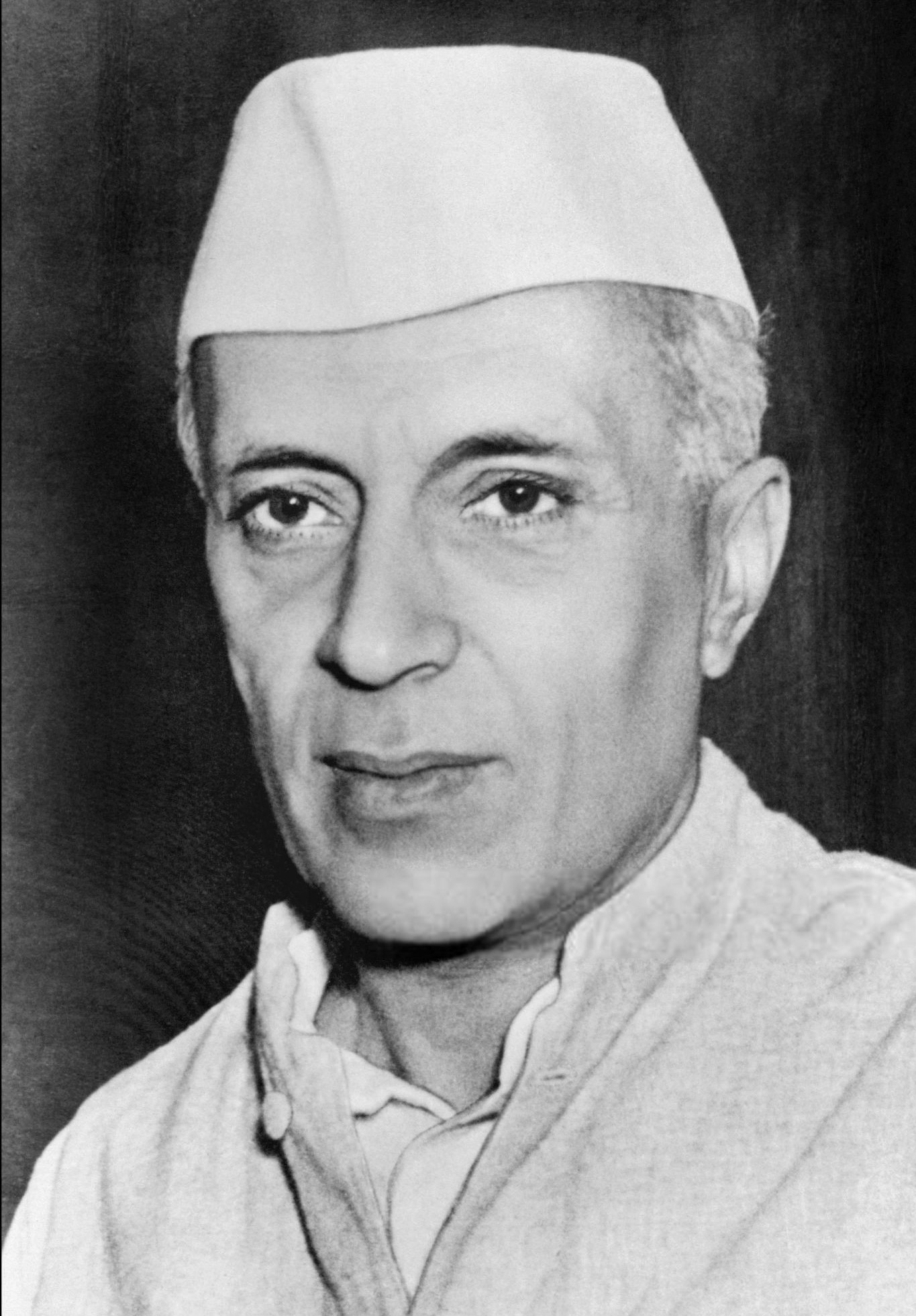
Jawaharlal Nehru was a prominent political figure in India before and after it achieved independence from the British empire in 1947. This is evidenced because he was elected as India’s first prime minister.
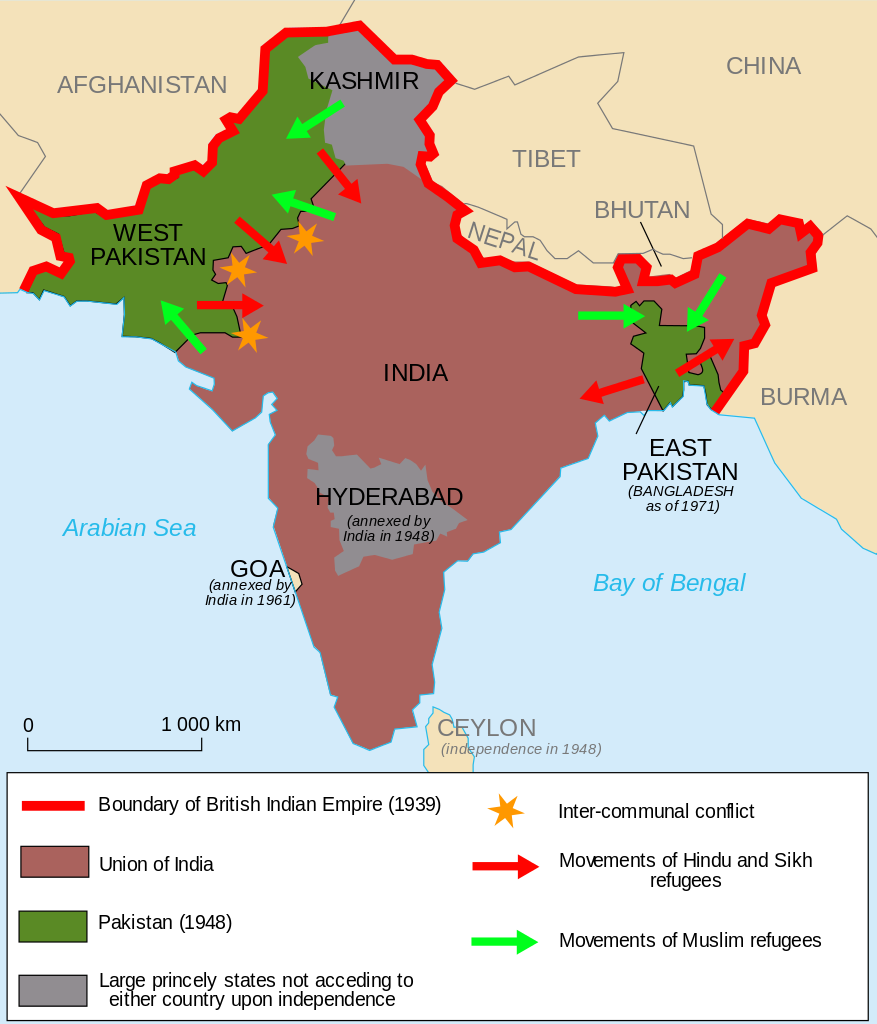
As India gained independence, a second nation (among several others) formed simultaneously as the northwest corner of the British territory in southern Asia was dedicated for Pakistan. Separating India from Pakistan was a movement known as partition, and was started by Muslims within British-controlled India prior to their independence (Nehru).
In his text, The Discovery of India, Nehru argues against partition because it splits the resources and potential of India into separate political units that cannot be independent political units. While objecting to partition, Nehru also acknowledges that “an enforced unity is a sham and a dangerous affair, full of explosive possibilities” (Nehru 526).
I believe that Nehru is correct, and that the American Civil War and the post-reconstruction era following it is a perfect example of the failure of forced unity.
The American civil war began when Abraham Lincoln was elected president in 1860 and a total of 11 southern states left the union to form the Confederate states of America. President Lincoln acquired approval from Congress to declare war on the Confederate states of America in order to restore the integrity of the American Union. The north was ultimately successful and defeated the south in 1865.
The Era of Reconstruction refers to 1865-1877 where Congress passed multiple pieces of legislation in an attempt to transition former slaves to freedman. New administrations were created specifically to provide assistance to register and vote for black men in the south. The thirteenth, fourteenth, and fifteenth amendments which outlawed slavery, created “equal protection” of laws, and protected voting rights for freedmen were passed and ratified during this period. During reconstruction, martial law was active into the former Confederate states until they completed a set of requirements to be admitted to the union again.
Reconstruction ended in 1877 with the inauguration of Rutherford B. Hayes and the withdrawal of federal troops from the south. Local Republican control had already diminished from its high during reconstruction, and violent, racist paramilitary group the Ku Klux Klan emerged to terrorize black voters and the remaining republican officials.
The era of reconstruction ultimately failed in what it wanted to accomplish because the northern abolitionists forced the south to join the rest of the country for radical social, economic, and political change. These changes were meant to address the exploitation of African Americans during slavery. However, because the changes were enforced with threats and the still lingering tensions of the Civil War were present, the south was determined to circumvent and avoid the standards set by Congress during reconstruction. This determination led to Jim Crow laws, those which enforced segregation in public areas, and voting restrictions which specifically targeted black Americans, like the poll tax, literacy tests, and the grandfather clause.
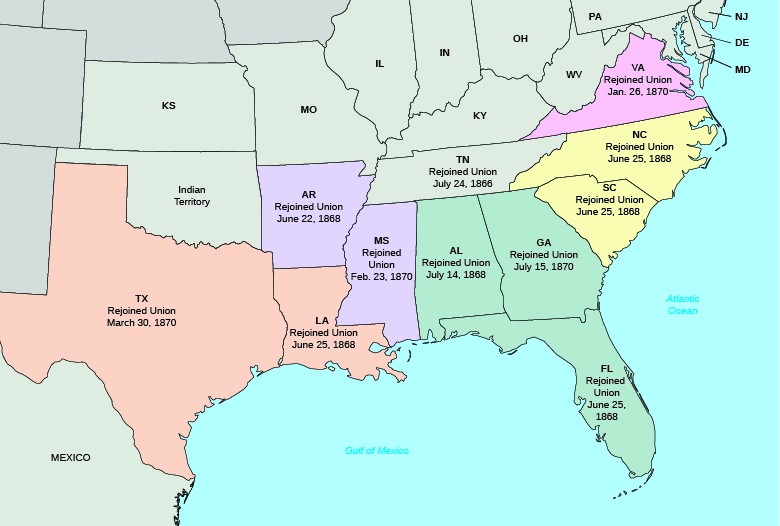
The failure of reconstruction illustrates that in order to join two separate groups into one unified, functional body both parties must consent to the unity. The former confederate states were resolute in maintaining a society of white supremacy and oppression against African Americans. The only reason reconstruction was successful was due to the presence of the U.S. military in the south before the former Confederate states were readmitted to the Union. As the south was subject to the legislation of Congress without any way to contest, the north did not make any efforts to win over the minds of white southerners and focused their resources on assisting former slaves adjusted to their newfound freedom. With very little effort to convince the south that outlawing slavery and giving African American equal status, the north inadvertently created the atmosphere that fostered white disdain for freedman in the south.

While being critical of the forced unity between the north and south after the Civil War, there was truly no “better” alternative. Changing the minds of men hell-bent to be superior to another based on the color of one’s skin is easier said than done in most cases. The era of reconstruction was a leap in the right direction to equalize the status of freedman to that of white males within America. Following the southern circumvention of reconstruction legislation America as a whole had many new challenges to face in order to create a nation that views all men and women equally. It was not until the Civil Rights movement in the 1960s that the injustices allowed to survive post-reconstruction would be reversed through federal legislation. With that being said, America in the twenty-first century still has more problems to face in order to achieve equal treatment for every citizen within its borders. The only way to achieve this goal of equality without repeating the mistakes of the past is to join together voluntarily as a nation to form itself into a place fair to everyone that lives here.
Works Cited
Foner, Eric. Reconstruction. n.d. 13 March 2019.
Moraes, Frank. “Jawaharlal Nehru”. 15 February 2019. 13 March 2019.
Nehru, Jawaharlal. The Discovery of India. The Signet Press, 1946.


